Services
Headache and Migraine Management
Headache and Migraine Management
Headache Migraine
Migraine is a severe throbbing or pulsating, headache often affecting one side of head, associated with nausea, vomiting & lasts for few hours to days.

What are the risk factors for migraine?
Family history
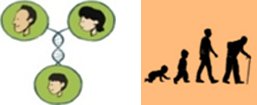
Age - first often occurs during adolescence, peak during your 30s, become less severe and less frequent in the following decades.
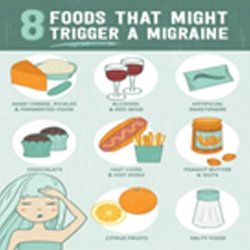
Foods & drinks - Skipping meals or fasting, chocolates, alcohol, especially wine, caffeinated beverages (coffee).
Sex - Boys more than girls during childhood, but by the time of puberty and beyond, more girls are affected.
Sensory stimuli - Physical factors - obesity, intense physical exertion, including sexual activity, previous head injury.

Changes in wake-sleep pattern - Missing sleep or getting too much sleep, jet lag.
Psychological - Stress at work or home, mood disturbances.
Medications - Oral contraceptives, nitroglycerin.
Changes in the weather.
What are the symptoms of migraine?
Disabling & recurring headaches.
Intense throbbing sensations often on one side of the head.
Pain worsens when around light, noise and/or smells.
Experience aura - visual disturbances such as flashes of light, shortly before onset of a migraine.
Nausea and/or vomiting.
Neck pain.
Sinus symptoms (stuffy nose, & watery eyes).
4 phases of migraine
- Warning phase (hours or days before headache) - feel irritable, depressed, tired, food cravings.
- The aura phase.
- The headache phase.
- The resolution phase when the headache gradually fades. During this time you may feel tired, irritable, depressed, and may have difficulty concentrating.
What are the types of migraine?

- Migraine with aura - Aura is a warning sign before the beginning of headache - temporary loss of part of vision, flashes of light, objects may seem to rotate, shake, or boil. Aura usually lasts just a few minutes, but can last up to 60 minutes.
- Migraine without aura
- Most common type of migraine.
- Headache will be the main symptom.
- Menstrual migraine - Migraine attacks associated with periods (menstruation), around periods and also at other times of the month.
- Abdominal migraine - Mainly occurs in children (teenage years). Symptoms include stomach pain with or without headache, aura or vomiting.
- Hemiplegic migraine - Rare type. Symptoms include severe headache with weakness of one side of the body, sometimes confused stroke.
- Basilar-type migraine - Rare type. Symptoms include headache at the back of the head, temporary blindness, double vision, dizziness, ringing in the ears, jerky eye movements, trouble hearing & slurred speech. There is a risk of having a stroke with this type of migraine.
What tests will my doctor ask me to do?
- Blood investigations - should be done as per the physician’s advice.
- Imaging studies - MRI Brain or CT Brain – to rule out serious intracranial problem.
What is the treatment for migraine?
Non medical treatment
- Adequate sleep for 6-8 hours.
- Good hydration.
- On time meals.
- Avoiding other triggering factors.
Medical treatment
- Acute migraine: Simple analgesics for short term treatment.
- NSAIDs, Acetaminophen.
- Triptans.
- Antiemetics – for vomiting.
- Prophylactic: preventive treatment.
- Tricyclic antidepressant.
- Antiepileptics.
- Antiepileptics.
Help your loved ones during a migraine
Medicine - know where the medicines are kept.
Hydration - have water and make sure they are hydrated.
Cool & dark room - help them stay in dark and cool room.
Keep these handy - sunglasses, earplugs, sleep mask, air sickness bag.
Backup plan - Ready to change your plan to take it easy when a migraine strikes.
Emergency contacts - keep all emergency contacts including doctors and relatives on speed dials.
Be there for them - Give them reassurance & support.